What Is Leaky Gut 7 Reasons Why You Might Have It And How It Can Affect Your
Activate Now what is leaky gut top-tier streaming. Freely available on our content platform. Get captivated by in a vast collection of tailored video lists demonstrated in HD quality, essential for premium streaming junkies. With recent uploads, you’ll always get the latest. Encounter what is leaky gut hand-picked streaming in sharp visuals for a sensory delight. Connect with our community today to view VIP high-quality content with 100% free, subscription not necessary. Stay tuned for new releases and experience a plethora of bespoke user media made for high-quality media enthusiasts. Don't forget to get unseen videos—get it fast! Explore the pinnacle of what is leaky gut exclusive user-generated videos with sharp focus and top selections.
Leaky gut syndrome is a hypothetical condition in which your intestines become permeable to toxins that leak into your bloodstream and trigger systemic disease. This condition is also known as intestinal permeability and may cause inflammation. What you should know if you think you have leaky gut syndrome
Leaky Gut: 7 Reasons Why You Might Have It and How It Can Affect Your
Leaky gut syndrome is said to have symptoms including bloating, gas, cramps, food. A leaky gut is a condition where the intestine has gaps that allow partially digested food, toxins, and microbes to escape the enclosed barrier What exactly is leaky gut
Inside our bellies, we have an extensive intestinal lining covering more than 4,000 square feet of surface area
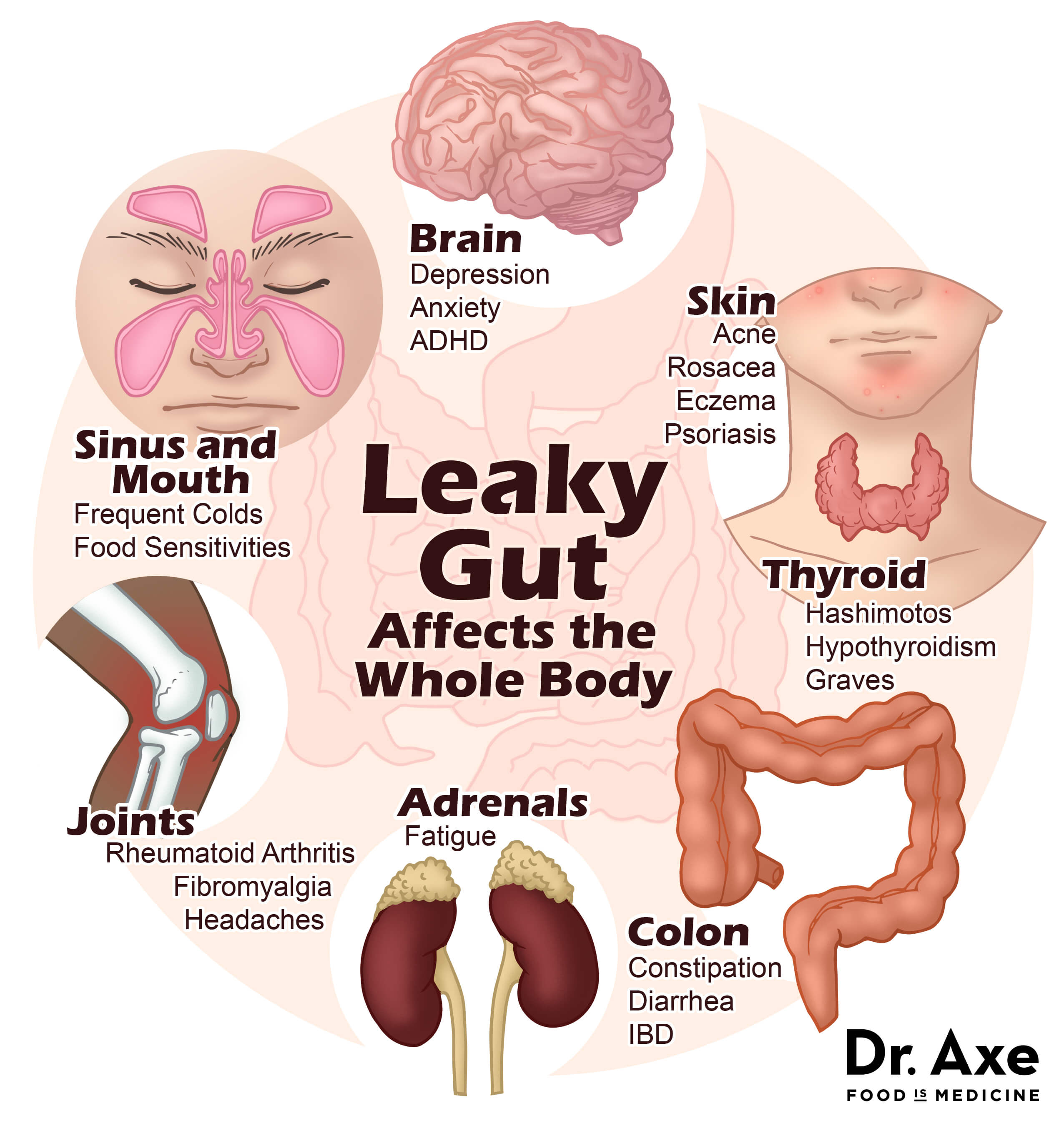
When working properly, it forms a tight barrier that controls what gets absorbed into the bloodstream. Leaky gut, or intestinal permeability, as victor explained, is a condition in which the lining of the small intestine becomes damaged, causing undigested food particles, toxic waste products and bacteria to leak through the intestines and flood the bloodstream. Leaky gut occurs when your gut barrier becomes compromised, allowing substances to “leak” through Diarrhea, bloating, brain fog or widespread pain or inflammation are common symptoms of leaky gut
Experts suggest avoiding triggers, eating plenty of fiber and polyphenols and more to manage leaky gut. Multiple gastrointestinal symptoms are ascribed to leaky gut syndrome, including diarrhea, bloating, distension, abdominal pain, and dyspeptic symptoms of early satiety, nausea, and postprandial fullness. Discover what leaky gut is, what causes increased intestinal permeability, and how to heal it with diet, supplements, and lifestyle Learn about key triggers like gluten, nsaids, and stress, and get actionable tips to restore your gut lining and microbiome balance.

Leaky gut is not a recognized condition and cannot be diagnosed based on blood or stool tests
It's important to know this to get appropriate care and reject products and people claiming to diagnose and treat leaky gut. Leaky gut syndrome, more formally referred to as increased intestinal permeability, occurs when the lining of the small intestine becomes compromised.